
Pressure ·
Sports Performance Anxiety: How to Stay Calm Under Pressure
Understand sports performance anxiety, how pressure affects athletes, and how breath, focus, and mental training can help.
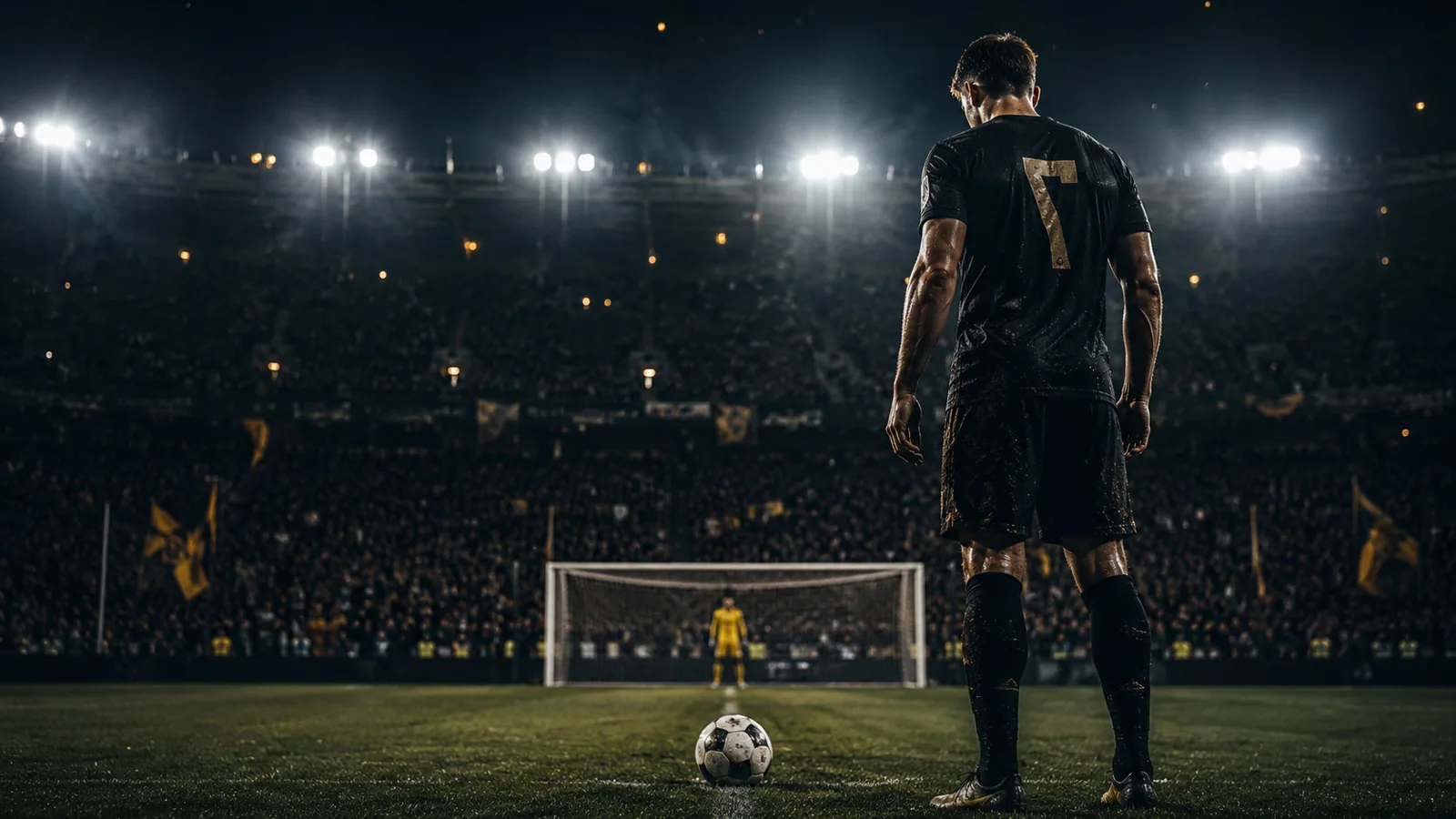
**Pressure is not the enemy.**It is the arena where the athlete meets themselves.
Pressure does not arrive politely.
It comes in the final minutes. The selection trial. The penalty shot. The grand final. The moment the coach is watching. The moment the crowd gets loud. The moment the mind says:
This matters.
The breath shortens. The muscles tighten. The heart starts to rise. Thoughts race ahead.
What if I miss? What if I fail? What will they think? What does this say about me?
This is sports performance anxiety.
Not weakness. Not failure. Not something wrong with you.
It is the human nervous system responding to importance.
And for the athlete, this is where the real training begins.

What Is Sports Performance Anxiety?
Sports performance anxiety is the experience of fear, tension, worry, or self-doubt before or during competition.
It often appears when an athlete feels judged, watched, evaluated, or emotionally attached to the outcome.
The body prepares for threat.
The mind tries to control the future.
The athlete leaves the present moment.
And performance begins to suffer.
Not because the athlete lacks talent.
But because pressure has pulled their attention away from the task.
The skill is still there. The training is still there. The body still knows.
But the mind has moved.
Pressure Is Not the Enemy
Pressure gets misunderstood.
Most athletes think they need to get rid of it.
They say:
“I just need to calm down.” “I shouldn’t be nervous.” “I need to stop overthinking.” “I have to feel confident.”
But pressure is not the enemy.
Pressure means you care.
It means something is on the line. It means your body is preparing to meet demand.
The problem is not pressure itself.
The problem is the relationship you have with pressure.
One athlete feels nerves and thinks:
I’m not ready.
Another athlete feels the same nerves and thinks:
My body is preparing.
Same sensation. Different meaning. Different performance.
This is the shift.
You do not need to destroy pressure.
You need to train yourself to stay present while pressure is here.
The Psychology of Pressure in Sport
Pressure grows when the mind attaches meaning to the result.
A kick is no longer just a kick.
It becomes:
-
A chance to prove yourself.
-
A fear of letting people down.
-
A test of your identity.
-
A story about your worth.
This is where anxiety takes hold.
The athlete stops playing the moment.
They start playing the meaning of the moment.
The body feels the future before it has happened.
The mind imagines failure. The nervous system reacts as if it is real. The athlete tightens.
This is why pressure can disturb even the most skilled performers.
Under pressure, attention narrows. Decision-making can become rushed. Muscles can become tense. Breathing becomes shallow. The athlete starts thinking instead of trusting.
They try to control what should flow.
They force the shot. Rush the pass. Grip too hard. Hesitate for half a second.
And in sport, half a second matters.
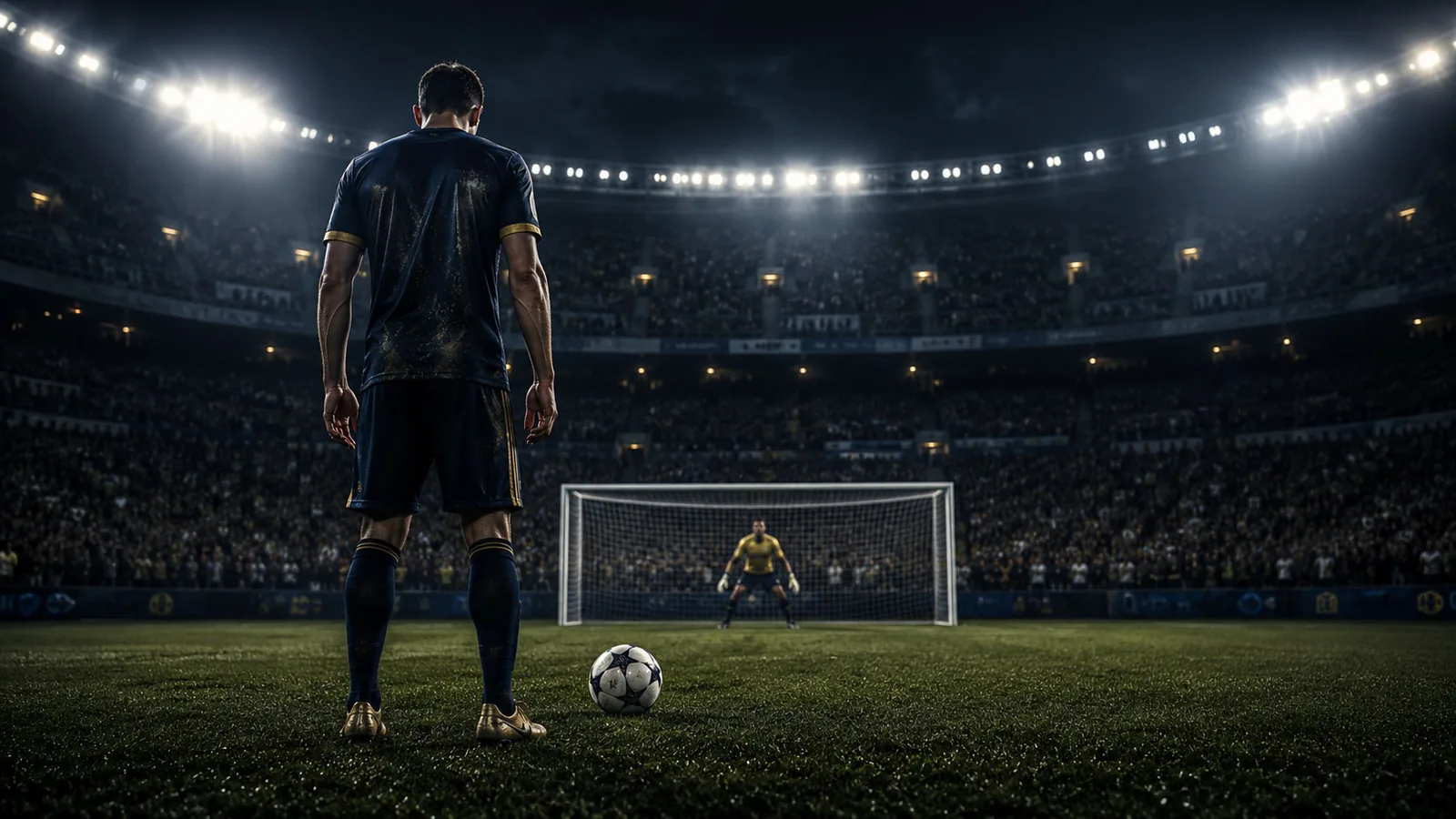
Why Athletes Choke Under Pressure
Choking is not a lack of ability.
It is a loss of access.
The athlete has the skill, but pressure interrupts the connection between mind and body.
This often happens when the athlete becomes too self-conscious.
Instead of being immersed in the action, they start watching themselves perform.
They think about their technique. They think about the outcome. They think about what others will say.
The natural rhythm breaks.
The body no longer moves freely.
The athlete becomes trapped between effort and fear.
This is the inner battle.
Not athlete versus opponent.
Athlete versus mind.
The Sports Psychology Shift
The goal is not to feel nothing.
The goal is to feel pressure and remain clear.
This is the foundation of mental training.
A mentally trained athlete does not wait for perfect confidence.
They learn how to act with nerves.
They learn how to breathe while the heart is racing. They learn how to focus while the crowd is loud. They learn how to return after mistakes. They learn how to stay connected to the next action.
This is performance maturity.
Not emotional numbness.
Presence.
The athlete who can stay present under pressure has an advantage.
Because most athletes disappear into thought.
They leave the body. They leave the moment. They leave the game.
The trained athlete returns.
Again and again.

Three Anchors for Performing Under Pressure
1. Breath
The breath is the fastest doorway back to the body.
When pressure rises, breathe low and slow.
Not dramatically. Not perfectly. Just deliberately.
A simple reset:
Inhale through the nose. Exhale slowly. Let the shoulders drop. Feel the feet. Return to the next action.
The exhale is the key.
A long exhale tells the body:
We are safe enough to perform.
Not safe from challenge.
Safe enough to execute.
2. Attention
Pressure pulls attention into the future.
The trained athlete brings it back to the task.
Not the scoreboard. Not the mistake. Not the outcome. Not the opinion of others.
The next action.
The next breath. The next step. The next pass. The next contest. The next decision.
Pressure loses power when attention returns to what is controllable.
You cannot control the result.
You can control your preparation. Your breath. Your effort. Your response. Your next action.
This is where power lives.
3. Meaning
The way you interpret pressure shapes the way you perform under it.
If pressure means danger, the body tightens.
If pressure means opportunity, the body opens.
If nerves mean weakness, confidence drops.
If nerves mean readiness, energy becomes usable.
So the athlete must learn a new language.
Instead of:
I’m nervous.
Try:
My body is preparing.
Instead of:
I can’t mess this up.
Try:
One action at a time.
Instead of:
Everyone is watching me.
Try:
Return to the game.
The mind will speak.
Your job is to stop believing every thought.
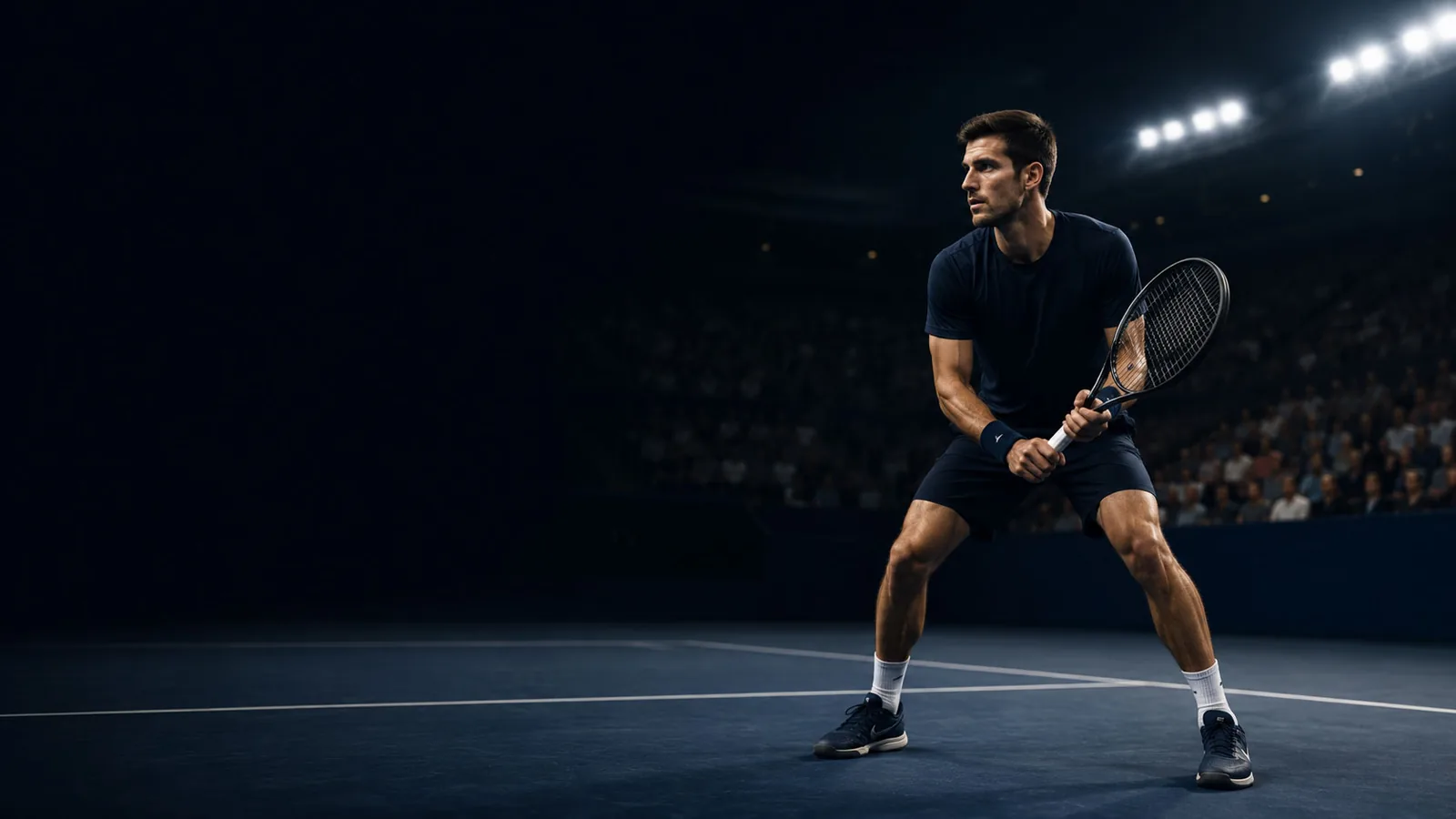
Training Stillness Under Pressure
Stillness is not passive.
Stillness is not soft.
Stillness is the ability to remain internally steady while everything around you intensifies.
It is the pause before the kick. The breath before the sprint. The silence before the decision. The calm inside the contest.
Stillness must be trained.
In practice. In preparation. In recovery. In reflection.
Athletes should not wait until game day to manage pressure.
They must rehearse pressure.
Train with consequence. Practise under fatigue. Visualise difficult moments. Use breath between repetitions. Reflect on emotional triggers. Learn the body’s signals.
The mind can be trained.
But only through repetition.
Just like strength. Just like speed. Just like skill.
A Simple Pressure Reset for Athletes
Use this before competition or during a break in play.
Pause. Feel your feet.
Breathe. Long exhale.
Name it. “This is pressure.”
Reframe it. “My body is preparing.”
Return. “What is the next action?”
That is the practice.
Not escaping pressure.
Returning through it.
Final Word
Pressure will come.
It comes for every athlete who dares to care.
The question is not whether you will feel it.
The question is whether you can stay with yourself when it arrives.
Can you breathe when the body tightens? Can you focus when the mind races? Can you return when fear pulls you forward? Can you perform without needing the moment to feel easy?
This is the inner game.
This is where athletes are forged.
Not just in strength. Not just in skill.
But in the quiet capacity to meet pressure without abandoning themselves.
Pressure is not the enemy.
It is the arena.
Step in. Breathe. Return.
Perform from within.